




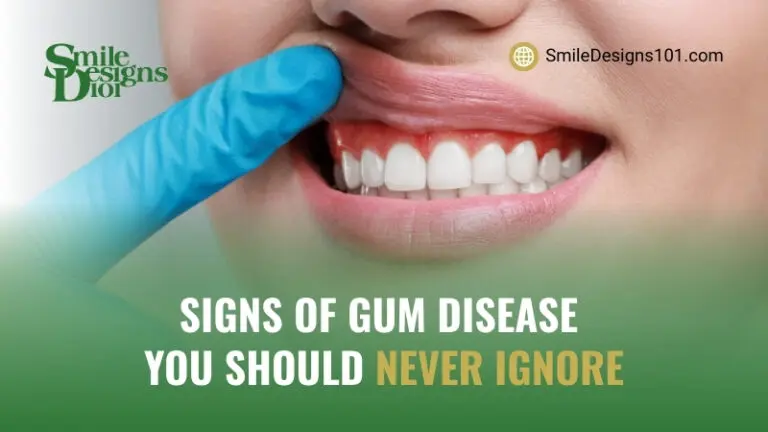
Bleeding, swelling, and tenderness in your gums can signal early Gum Disease (periodontal disease), gingivitis, or periodontitis. Early recognition and treatment are crucial for protecting your oral health, teeth, gums, and smile.
This guide highlights the main signs of Gum Disease, outlines the causes of bleeding, red or swollen gums, persistent bad breath, and receding gums, and provides steps for prevention and treatment. Learn when to see a dentist or periodontist for care.
What Is Gum Disease?
Gum Disease (periodontal disease) is an infection and inflammation of the gums and supporting tooth structures. It starts as gingivitis (mild, reversible inflammation) but can progress to periodontitis, which causes gum recession, bone loss, tooth mobility, and tooth loss if untreated.
A challenge with gum disease is its slow, often painless progression. Spotting early signs such as bleeding, swollen or red gums, and ongoing bad breath is critical for prevention and early intervention.
1. Bleeding gums when brushing or flossing
The most common early warning sign is bleeding gums. You might notice:
- Blood on your toothbrush or floss
- Pink or red water in the sink after brushing
- Small spots of blood on food or your napkin
Healthy gums do not bleed during gentle brushing and flossing. Persistent bleeding signals inflammation along the gumline, often caused by unremoved plaque and bacteria. Regular bleeding should always be taken seriously.
2. Red, swollen, or tender gums
Look closely at your mouth. Healthy gums should be firm and pale pink. Early Gum Disease can make your gums:
- Feel puffy or swollen.
- Become sore or tender, especially when you brush.
This inflammation is your body’s response to bacteria building up along and beneath the gumline. Without thorough cleaning and professional care, irritation will spread deeper into the tissues.
3. Persistent bad breath or bad taste
Occasional bad breath is normal, but ongoing bad breath that persists after brushing, flossing, or using mouthwash can indicate Gum Disease. Bacteria in plaque and tartar emit unpleasant odours and may cause:
- Strong morning breath that lasts all day
- A constant bad taste in your mouth
If people around you notice your breath or you feel the need to use mints constantly, it may be time to have your gums checked.
4. Receding gums and “longer” teeth
As Gum Disease advances, gums may recede from teeth, exposing more of the tooth surface and roots. You might observe:
- Teeth that look longer than before
- Sensitive areas near the gumline
- Small spaces form between your teeth and gums
These pockets collect more bacteria, making cleaning difficult and speeding damage if untreated.
5. Loose teeth or changes in your bite
Advanced Gum Disease can damage the bone supporting your teeth. Over time, you may feel:
- Teeth that feel loose or move slightly
- Changes in the way your teeth fit together when you bite
- Difficulty chewing comfortably
These are serious signals that Gum Disease is impacting the supporting structures in your mouth. At this stage, urgent treatment is critical to prevent tooth loss.
6. Pus, sores, or severe tenderness
In some cases, Gum Disease can lead to visible signs of infection, such as:
- Pus around the teeth or along the gumline
- Painful gum abscesses
- Gums that are extremely tender to the touch
These symptoms show the infection is severe and requires immediate professional attention.
When should you see a dentist about bleeding gums?
You should book a dental visit as soon as possible if you notice:
- Bleeding gums for more than a few days in a row
- Red, swollen, or receding gums
- Ongoing bad breath or bad taste
- Loose teeth or changes in how your bite feels
A dentist or periodontist will assess your gums, measure any pockets, and may take X-rays to determine bone involvement. Early gum disease (gingivitis) is usually reversible with professional cleanings and improved care. Advanced gum disease (periodontitis), while not fully reversible, can be managed and stabilized with deep cleanings and consistent follow-up.
How to Protect Your Gums: Daily Gum Disease Prevention Tips
Use these daily oral care tips to lower your risk of Gum Disease:
- Brushing twice daily with a soft-bristle toothbrush
- Cleaning between your teeth every day with floss or interdental brushes
- Limiting sugary snacks and drinks
- Avoiding tobacco products
- Keeping up with regular dental exams and professional cleanings
These daily oral health habits remove plaque, limit bacteria, ease gum inflammation, and safeguard your gums. Consistent care is vital to preventing gum disease and maintaining excellent oral health.
Bleeding gums, persistent bad breath, gum tenderness, and receding or swollen gums are symptoms of gum disease you should never ignore. Act promptly at these warning signs of gingivitis or periodontitis. The sooner you seek gum disease treatment, the simpler and more successful your dental care will be.
If you’ve noticed any of these signs, don’t wait—schedule a dental appointment today. Taking action now is vital to protect your gums, teeth, and overall health for years to come.